
Content
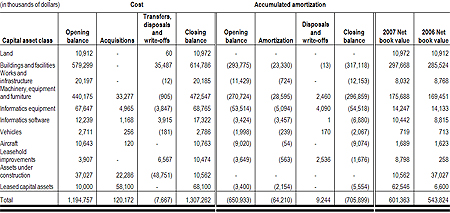
On December 20, the shipping company sends an invoice for $125 to the party responsible for the freight charges, and cash payment is made immediately. Complete the buyer’s necessary journal entry by selecting the account names from the drop-down menus and entering the dollar amounts in the debit or credit column. On December 1, the company purchased $3,300 of merchandise for cash. Complete the following journal entry by selecting the account names from the drop-down menus and entering the dollar amounts in the debit or credit columns.

In performing a vertical analysis, the base for cost of goods sold is A) total selling expenses. The cost of goods sold tells you how much it cost the business to buy or make the products it sells. This cost is calculated for tax purposes and can also help determine how profitable a business is. There is an exception to this rule for small businesses. Check with your tax professional before you make any decisions about cash vs. accrual accounting.
Costs 1 compute the companys net sales for the year 2
A transfer of cash from one party to another that does not involve a paper document. Signed by the depositor instructing the bank to pay a specified compute the companys total cost of merchandise purchased for the year. amount of money to a designated recipient. All of the following statements regarding a voucher system are incorrect except _____.
On August 3, the company purchased 16 units at $14 per unit. The 12 units sold consisted of 7 units from the August 3rd purchase and 5 units from the August 1st beginning inventory. Using specific identification, the cost of the 12 units sold is _____. Which of following actions would increase the amount of cash available to Telo? Reduce the credit period for its credit sales to customers Negotiating an increase in the credit period for purchases with suppliers. Which one of the following actions would most likely reduce sales returns and allowances?
types of financial statements that every business needs
Both the Sales Discounts and the Sales Returns and Allowances accounts are credited during the closing process. COGS only applies to those costs directly related to producing goods intended for sale. For example, COGS for an automaker would include the material costs for the parts that go into making the car plus the labor costs used to put the car together. The cost of sending the cars to dealerships and the cost of the labor used to sell the car would be excluded. The value of COGS will change depending on the accounting standards used in the calculation.
- For example, airlines and hotels are primarily providers of services such as transport and lodging, respectively, yet they also sell gifts, food, beverages, and other items.
- Other costs not explicitly related to production, like advertising costs and other SG&A expenses, are not included in COGS.
- At the end of the year, the cost of the ending inventory will be calculated.
- They calculate this by using the cost of goods sold formula.
- This calculation includes all the costs involved in selling products.
Look at the company’s income statement for the period to find the company’s cost of goods sold. Continuing with the same example, assume that Company C’s cost https://online-accounting.net/ of goods sold is $113,000. COGS reveals for business owners and managers the total direct costs of their products or services sold over a certain period.
Everything You Need To Master Financial Statement Modeling
Costs IncurredIncurred Cost refers to an expense that a Company needs to pay in exchange for the usage of a service, product, or asset. This might include direct, indirect, production, operating, & distribution charges incurred for business operations. Direct CostDirect cost refers to the cost of operating core business activity—production costs, raw material cost, and wages paid to factory staff.
- Then subtract the value of the ending finished goods inventory.
- The perpetual system indicates that the Inventory account will be continuously or perpetually updated.
- Cost of goods is the cost of any items bought or made over the course of the year.
- If it isn’t but does relate to the generation of revenue, then it belongs under operating expenses.